
“Edge of Excellence with Alex Ghetau: A Chef’s Guide to Today’s Top Knives”.

Top 5 Premium knife brands:
Aritsugu
Masamoto
Sugimoto
Sukenari
Sakai Takayuki
Top 5 Mid-Range knife brands:
Misono
Kiya
Kai
Seki Maguroku
Henckels
Knives are more than tools — they’re a fusion of tradition, precision and craftsmanship that elevates every cut. In my work as a sushi chef, the right blade isn’t just about sharpness; it’s about connection to heritage and confidence in every movement.
Alongside my selection of premium makers — Aritsugu, Masamoto, Sugimoto, Sukenari and Sakai Takayuki — I’ve also included five more accessible brands that consistently deliver quality and value: Misono, Kiya, Kai, Seki Magoroku and Henckels. Between them, there’s a knife for every chef, every kitchen and every level of experience.
I hope this guide sharpens your craft and deepens your appreciation for the artistry behind every slice.
— Alex Ghetau


Premium Japanese Knives
#1 有次 Aritsugo

One of Japan’s oldest blade makers, Aritsugu produces traditional, high-performance carbon-steel knives with exceptional sharpness. Best known for sushi and sashimi Longest history — the company dates to 1560, originally producing samurai swords, then shifting over centuries into kitchen blades.
Because of this lineage, Aritsugu carries a strong traditional pedigree: many knives are still made in traditional style, often carbon-steel, with attention to craftsmanship & finishing.
Aritsugu knives are often especially prized for fish / sushi / sashimi work — long single-edge blades like yanagiba and deba are among their specialties.
Because many are carbon-steel and hand-forged, you get excellent sharpness and a “traditional Japanese knife feel.” On the flip side: they demand proper care (wipe dry, oil if needed, avoid dishwasher, avoid acidic foods if not cleaned promptly) — less “set-and-forget” than stainless knives.
Overall: If you appreciate heritage, craftsmanship, and don’t mind maintenance — Aritsugu remains a “classic” and in many ways historic reference point among Japanese knife makers.
Good for: traditional Japanese-style cooking, fish & sashimi, those who value craftsmanship and are comfortable with maintenance.
Caveat: Carbon knives need more care (cleaning, drying, sharpening), and single-bevel blades are less forgiving than Western double-bevel knives., they offer superb craftsmanship but require mindful maintenance. Ideal for chefs who appreciate classic Japanese forging and aren’t afraid of a little patina.
#2 Masamoto

Masamoto is one of the most prestigious sushi-knife makers, known especially for traditional “single-bevel” knives (yanagiba, deba, usuba) — widely considered among the best for sushi, sashimi, fish butchery, delicate slicing.
The “Samurai of Sushi Knives,” as some sources call them, these blades have razor-sharp edges, superb precision, and are hand-forged by experienced craftsmen (particularly for their white-steel lines).
For someone who does a lot of fish prep, sashimi or fine slicing, Masamoto is arguably as good as it gets. But — like Aritsugu — the traditional single-bevel knives demand experience: you need proper technique and care, and they require regular sharpening.
For more general Western-style kitchen work (veg chopping, meat prep, general chef tasks) Masamoto’s specialisms might feel “too niche” — many home cooks/chefs use more versatile double-bevel knives instead.
#3 Sujimoto

Sugimoto may not have the same name recognition as Aritsugu or Masamoto, but it is a highly respected Japanese knife maker that combines traditional craftsmanship with practicality and reliability. Every Sugimoto blade is carefully forged and finished, with precise attention to edge geometry and balance, giving chefs and home cooks alike a knife that feels intuitive and effortless in the hand.
Their range includes versatile general-purpose knives, Japanese-style cleavers, and specialized blades, all designed to perform beautifully in daily kitchen use. The steel is high-quality and holds an edge well, while the knives maintain a manageable hardness that makes them both sharp and resilient — forgiving enough for regular use without sacrificing precision.
Sugimoto knives are particularly praised for their consistent cutting performance, smooth handling, and elegant finish, which reflects a dedication to both function and aesthetic. They are an excellent choice for anyone looking to experience traditional Japanese craftsmanship without stepping into ultra-premium pricing. Whether chopping vegetables, slicing fish, or preparing delicate ingredients, Sugimoto delivers a reliable, artisan-quality tool that elevates everyday cooking.
#4 Sukenari

Sukenari is less a “legacy big name” and more part of the modern niche artisanal / boutique knife segment. The steel and finish quality tends to be very high — many of their blades use premium powdered steels (e.g. SG2, ZDP-189), heat-treated for hardness and edge retention.
So if you want a modern, hard-steeled, high-performance knife, Sukenari is a strong candidate — especially for those who like thin, razor-sharp blades and have some skill/experience with Japanese knives.
Caveat: Because of the hardness and thinness, these knives can be less forgiving (e.g. more prone to chipping if misused), and maybe overkill for casual cooking or hard tasks like chopping bones.
#5 Sakai Takayuki

Sakai (Osaka) is historically one of the major knife-making centres in Japan, and Sakai Takayuki is one of the largest and most established contemporary brands there — with “600 years of knife-making history” behind the region’s tradition.
Their knives tend to combine tradition + versatility + durability: many use hard-core steels (e.g. VG10) clad in Damascus-layered steel, offering a balance of sharpness, edge-retention, and easier maintenance compared to pure carbon.
This makes Sakai Takayuki popular among chefs who want a “workhorse” knife — suitable for Western-style cooking, general kitchen tasks, meat, vegetables, etc., instead of the niche single-bevel Japanese knives.
Exellent Mid Range Knives
#1 Misono

Misono has roots in Japan’s famed knife-making city (Seki) and combines tradition with practicality. Their knives (especially the UX10 line) are known for good edge retention, balance, and ergonomic handles, making them among the best “starter / value” Japanese-made knives you can get.
The blades are typically stainless or molybdenum-steel, easier to maintain than high-carbon knives — which reduces worry about rust or heavy maintenance.
Downsides: compared with premium Japanese knives, Misono knives tend to be thinner, lighter, and less “all-purpose” — that is, great for slicing meat, fish, or vegetables, but less ideal for heavy chopping or bone work.
Overall: a very reliable “first good knife” — especially if you want a taste of Japanese knife feel without going premium.
#2 Kiya

An historic name with long traditions — tends to offer knives with good usefulness at a much lower price point than artisan or boutique Japanese makers. They can provide decent quality for everyday cooking tasks.
Their knives aim for a balance of Japanese blade philosophy and Western-style handles / usability — making them somewhat hybrid in design.
Because they are less “specialised” than premium knives, Kiya knives are more forgiving: easier to maintain, simpler geometry, and good enough for a broad range of kitchen work (veg, meat, general prep).
#3 and #4 Kai Shun & Seki Maguroku

Both Kai Shun and Seki Magoroku come from the renowned Kai Corporation, one of Japan’s most respected modern knife makers. Together, they offer exceptional performance across a wide range of budgets, giving cooks access to Japanese sharpness, reliability, and design without the steep price tags of traditional artisan brands. Kai’s manufacturing expertise ensures superb consistency, excellent steel treatment, and beautifully finished edges — making both lines trusted favourites among chefs and home cooks worldwide.
Kai Shun
Best for: Professional chefs, serious home cooks, anyone wanting premium performance and craftsmanship.
Kai Shun represents the premium tier of Kai’s knife-making. Known for their striking Damascus-clad blades and comfortable, sculpted handles, Shun knives deliver a refined cutting experience with smooth, effortless slices and excellent edge retention. The VG-MAX and VG-10 steels used across many Shun lines provide durability and long-lasting sharpness, while the fit and finish consistently exceed expectations.
Shun is ideal for cooks who want a reliable, high-performance Japanese knife with a touch of luxury — perfect for precision tasks, daily prep, and those who value aesthetics as much as performance.
Seki Magoroku
Best for: Home cooks, students, and chefs seeking quality Japanese performance at an accessible price.
Seki Magoroku offers many of the same values as Shun — sharpness, reliability, and craftsmanship — but at a more affordable level. These knives often feature traditional Japanese profiles and lighter, nimble feel, making them excellent for everyday tasks like vegetable prep, slicing protein, or general utility work. The steel varies across the line, but all models maintain Kai’s trademark consistency and clean, confident cutting ability.
Seki Magoroku is the perfect entry point for anyone wanting authentic Japanese performance without committing to a premium price tag. They’re durable, easy to care for, and offer incredible value for money.
#5 Henckels

Best for: Reliable everyday performance, durability, and Western-style comfort at an accessible price.
Henckels is one of the most trusted names in Western knife making, and their entry-to-mid-range lines offer excellent value for cooks who want dependable, well-made tools without premium pricing. While not a traditional Japanese brand, Henckels earns its place in this list for delivering consistent sharpness, sturdy construction, and ergonomic designs that feel natural and balanced in the hand.
Henckels knives typically use high-quality stainless steel that resists staining and is easy to maintain — ideal for busy kitchens and home cooks who prefer low-maintenance tools. Their Western-style profiles, often paired with robust, comfortable handles, make them particularly effective for heavier prep work, chopping, and all-purpose use.
For anyone seeking a tough, trustworthy knife that offers great performance for daily tasks, Henckels delivers excellent value and long-lasting reliability.
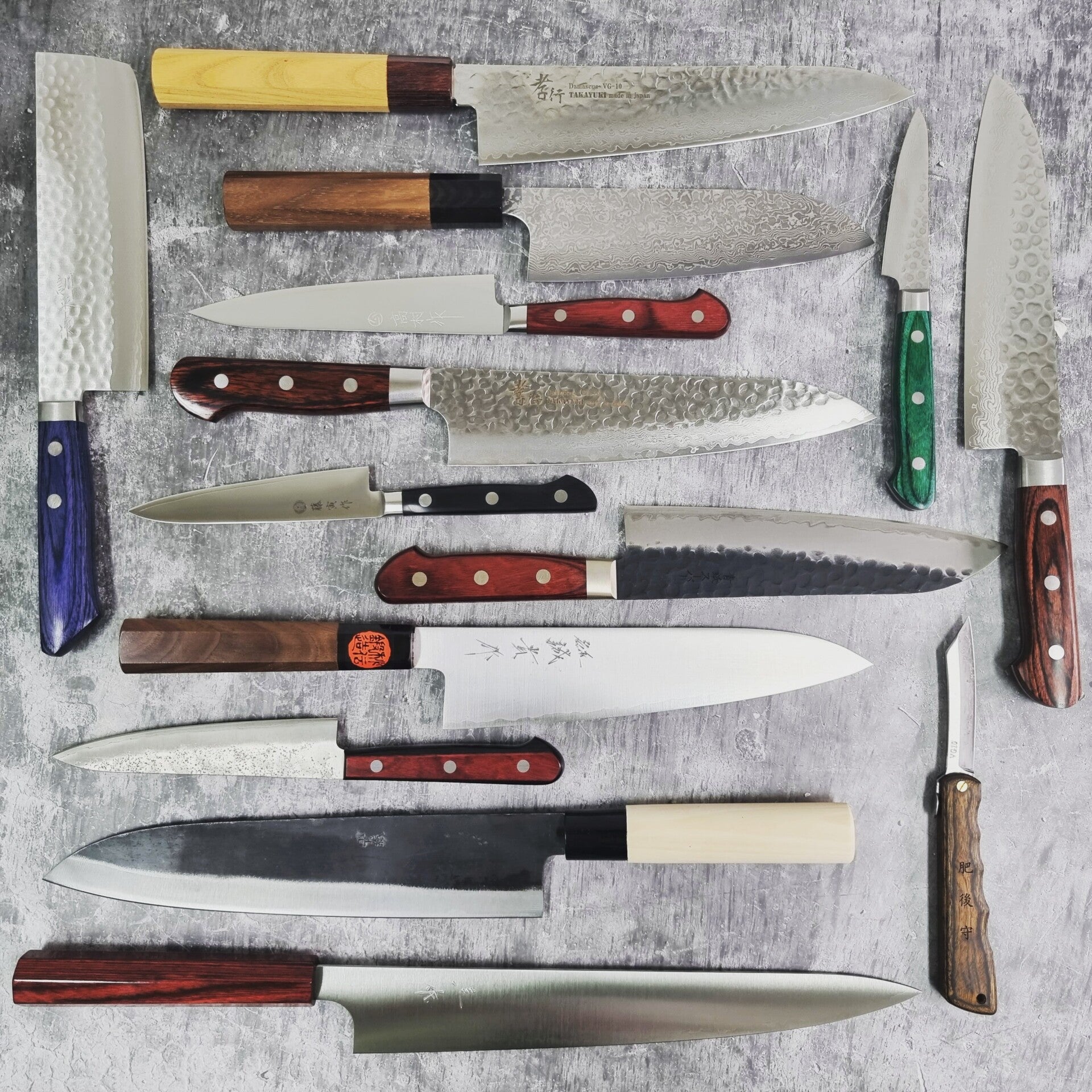
What to Look for When Buying a Japanese Kitchen Knife
From premium Japanese masters to accessible everyday knives, Alex Ghetau has highlighted the brands that combine craftsmanship, performance, and value. Whether you’re a professional chef or a home cook, these knives provide the precision and reliability to elevate every cut. Choose your blade, respect the steel, and let it sharpen not just your ingredients, but your craft.
When selecting a Japanese kitchen knife, it’s not just about buying a sharp blade — it’s about choosing a tool that fits your cooking style, your maintenance habits, and what you most often prepare. Here’s what to consider:
Purpose & Knife Type
Japanese knives come in several traditional shapes, each suited for different tasks. If you mostly cook vegetables, a shorter “petty” or “shotoh” knife is ideal. For versatile, everyday cooking — chopping vegetables, slicing meat or fish — a “gyūto” or “santoku” is often the best all-rounder. For precision tasks like sashimi or delicate fish slicing, consider specialized knives such as “yanagiba” or “sujihiki”.
Blade Steel & Construction
One of the most important decisions is the steel used. Traditional high-carbon blades can take and hold a razor-sharp edge — perfect for fine, precise cuts — but they need careful maintenance (drying immediately after use, occasional oiling) to prevent rust.
If you want less maintenance: stainless steel or high-carbon stainless blends offer better corrosion resistance and easier upkeep. They may not achieve quite the same razor-sharp edge, but they deliver dependable performance with less fuss.
Some premium knives use advanced “powdered” steels (often labeled SG2, R2, etc.). These deliver outstanding edge retention and razor-sharpness, but they tend to be harder, thinner, and more brittle — so they reward careful use (soft cutting boards, avoiding bone or frozen food) and good sharpening discipline.
Balance, Weight & Handle Shape
A good Japanese knife should feel balanced in your hand — not too heavy, not too light; the handle should be comfortable for your grip. Traditional Japanese handles tend to be octagonal or D-shaped, and many cooks find them ergonomic, especially for “pinch” grip technique.
Also consider the length of the blade in relation to your cutting board and kitchen tasks: shorter blades offer control for delicate work, while longer blades give reach and power for larger prep or meat cutting.
Maintenance & Use Conditions
Owning a Japanese knife — especially a high-carbon or powdered-steel one — means committing to proper care: wash by hand, dry immediately, store carefully, sharpen with proper stones, and avoid hard surfaces like glass or stone boards.
If your kitchen tends to be humid, or you prefer low-maintenance tools, a stainless-blended knife may serve you better. On the other hand, if you enjoy the ritual of sharpening, oiling, and caring for your blades — and you value razor-sharp precision — traditional styles pay off.
Style & Feel — Not Just Function
A Japanese knife isn’t just a tool — it’s also a statement of style, tradition, and craft. For many cooks, using a knife from a respected maker — perhaps a hand-forged blade with a traditional handle — is about more than just cooking: it’s about connecting with centuries-old craftsmanship.
Selecting a knife that feels “right” in your hand — one that inspires confidence every time you slice, dice or fillet — transforms routine kitchen tasks into a more thoughtful, satisfying experience.
Please comment if you have any insites into this article.
Add comment
Comments